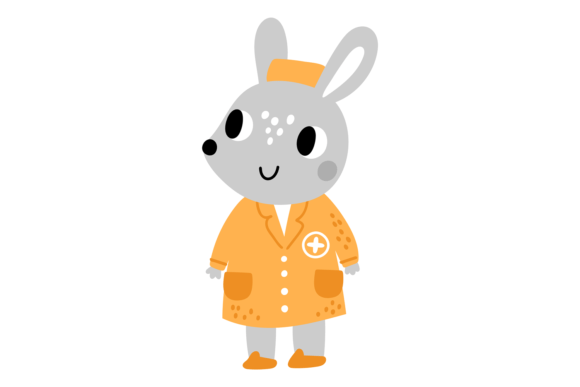
Cute Mouse Nurse: The Charming Character Font That Adds Whimsy
Every designer knows the struggle of finding a typeface that communicates warmth without sacrificing clarity. When you're working on a project that needs a touch of personality—something that feels approachable, memorable, and distinctly human—standard corporate fonts often fall flat. This is where character-driven typography enters the picture, and few examples capture this balance as effectively as the Cute Mouse Nurse font. This isn't just another whimsical typeface; it's a carefully crafted design asset that brings narrative depth to any project it touches.
Understanding the Visual Personality
At its core, Cute Mouse Nurse is a display font built around a single, endearing concept: a mouse character in a nurse's uniform. Each letterform incorporates this character in different poses and expressions, creating an alphabet that reads as both text and illustration. The style sits somewhere between a handwritten font and a script font, with soft curves and playful proportions that avoid the stiffness of geometric typefaces.
What makes this premium font particularly useful is its versatility in tone. The character design is cute without being childish, professional without being cold. The nurse motif adds a layer of care and trustworthiness—qualities that resonate across industries from healthcare to childcare, pet services to wellness brands. The letter spacing and weight distribution have been balanced to maintain readability despite the illustrative nature of each glyph, which is a common pitfall in many novelty fonts.
The color palette typically associated with Cute Mouse Nurse—soft whites, gentle pinks, and warm neutrals—makes it especially effective in projects where you want the typography to feel integrated rather than imposed. When set against a clean white background, as the character is often presented, the font maintains excellent contrast while preserving its whimsical character.
Where This Font Truly Shines
Not every project benefits from a creative font like this one. Understanding where Cute Mouse Nurse works best will save you time and help you make stronger design decisions. Here's where I've seen this typeface deliver exceptional results:
- Children's book titles and chapter headings: The character-driven design naturally appeals to young readers while maintaining enough sophistication for adult-facing publishing projects.
- Pediatric clinic branding: Medical environments often struggle with approachability. This font bridges the gap between professional healthcare communication and child-friendly warmth.
- Pet care service logos and signage: The mouse character transcends species appeal, making it effective for veterinary offices, grooming services, and pet supply stores.
- Birthday party invitations and event materials: The playful energy works perfectly for celebrations, especially those targeting families with young children.
- Educational materials and classroom resources: Teachers and homeschooling parents frequently seek typography that engages without overwhelming, and this font delivers that balance.
- Social media graphics for family-oriented brands: In feeds crowded with generic sans serif fonts, Cute Mouse Nurse cuts through the noise with genuine character.
I've also seen designers use this display font effectively in packaging design for children's products, nursery décor branding, and even bakery logos where the whimsical aesthetic aligns with the brand's personality. The key is matching the font's energy to your project's emotional target.
Practical Considerations for Professional Use
Before incorporating Cute Mouse Nurse into your next project, several practical factors deserve attention. First, consider the font pairing strategy. Because this is a highly stylized display font, it works best when paired with a clean, neutral companion. A simple sans serif font for body text creates a natural hierarchy that lets the character font shine without competing for attention. Avoid pairing it with other decorative or script fonts—the visual noise becomes overwhelming quickly.
Readability testing is non-negotiable with any creative font. Set your headlines at the intended size and view them from typical reading distances. Check how the character details render at smaller sizes—some of the finer elements may lose definition below 24 points. For web design applications, test across multiple devices and browsers to ensure the font maintains its charm at various screen resolutions.
Licensing deserves careful attention. Most premium character fonts like Cute Mouse Nurse come with specific commercial font terms that distinguish between personal and business use. If you're creating materials for a client, a product line, or any revenue-generating application, verify that your license covers commercial distribution. Many designers have learned this lesson the hard way—licensing issues discovered after a project launches create unnecessary complications.
Evaluate the included styles and weights before committing. Some versions of character fonts include alternates, ligatures, or additional glyphs that expand your creative options. Understanding what's available helps you maximize the font's potential within your brand identity system. If the font includes multiple character poses or expressions, consider how these variations can be used strategically across different touchpoints.
Building Brand Recognition with Character Typography
In a marketplace saturated with interchangeable modern typography, character-driven fonts like Cute Mouse Nurse offer something increasingly rare: instant memorability. When a potential customer encounters your logo, packaging, or marketing materials, you have roughly three seconds to make an impression. A well-chosen character font can compress that recognition timeline significantly.
Consider how this works in logo design. A children's tutoring service using Cute Mouse Nurse in its wordmark immediately communicates warmth, care, and approachability. Parents scanning search results or social media feeds will associate those qualities with the brand before reading a single line of copy. This is the power of thoughtful typographic choices—they do emotional work that prose alone cannot accomplish.
For editorial design, this font opens creative possibilities in magazine features, blog headers, and newsletter templates targeting family audiences. The character element adds visual interest that encourages longer engagement, particularly valuable in digital environments where scroll behavior dominates user interaction.
The consistency factor matters too. When you establish Cute Mouse Nurse as part of your brand identity system, every piece of communication reinforces the same personality traits. Business cards, website headers, social media templates, and printed materials all speak the same visual language. This repetition builds recognition over time, transforming casual encounters into lasting brand associations.
Making the Final Decision
Choosing any design asset requires honest self-assessment. Ask yourself whether the font's personality genuinely aligns with your project's goals, or whether you're attracted to its novelty. Cute Mouse Nurse excels in specific contexts—it's not a universal solution, and that specificity is actually its strength. Projects that embrace its character-driven nature will benefit most from its unique qualities.
Test the font in context before finalizing. Create mockups of your intended applications—whether that's a packaging design prototype, a website header comp, or a social media template. View these mockups alongside your other visual elements to assess cohesion. Sometimes a font that looks perfect in isolation doesn't integrate smoothly with existing brand colors, imagery, or companion typefaces.
Ultimately, Cute Mouse Nurse represents a category of typography that prioritizes personality over neutrality. For designers, marketers, and content creators working with audiences who respond to warmth and whimsy, it's a valuable addition to any typographic toolkit. The mouse nurse character brings genuine charm to every letterform, transforming ordinary text into something that makes people smile—and in a world of generic communication, that emotional response is worth its weight in design gold.